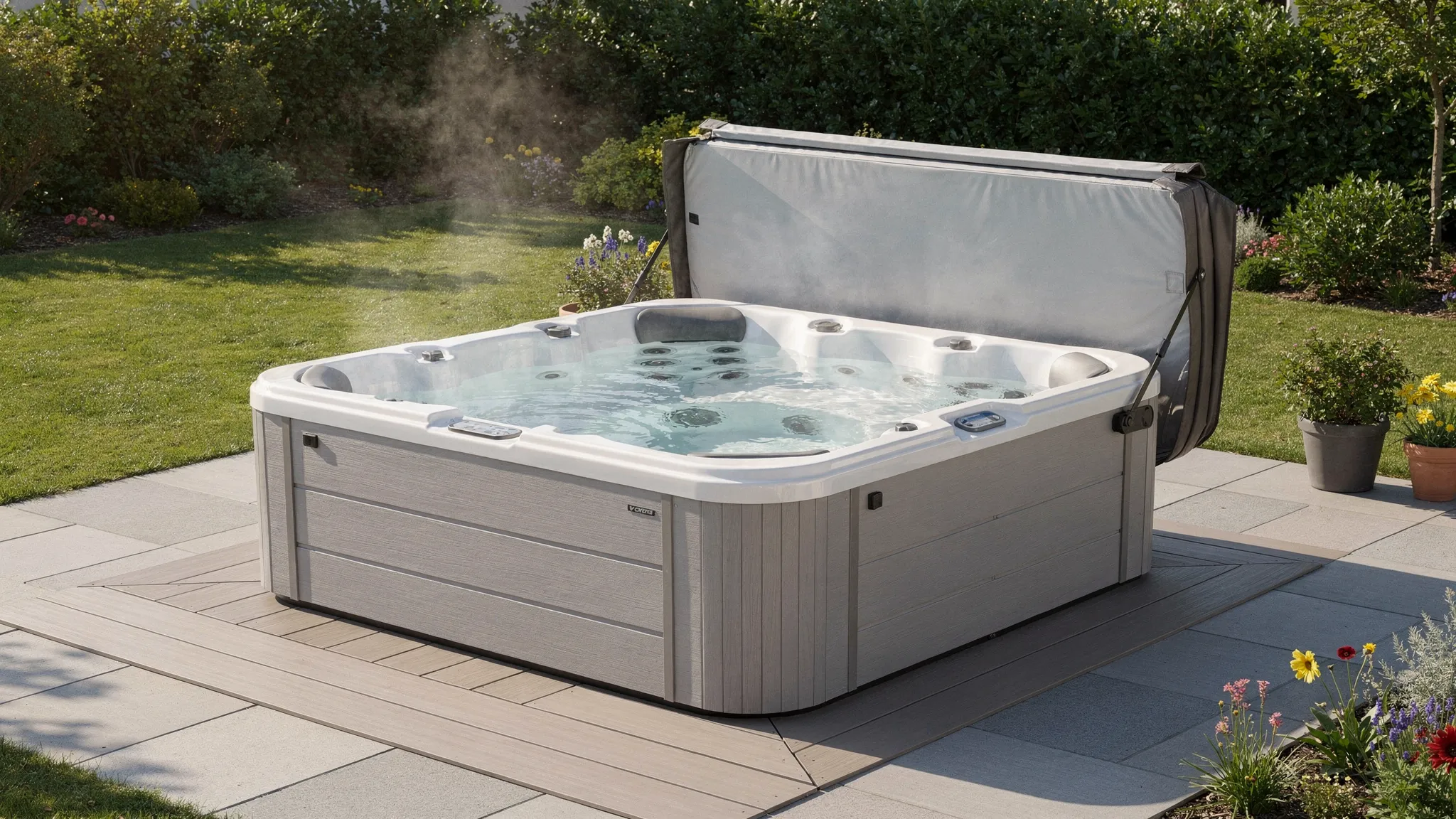
Hot Tub Temperature: Best Range for Comfort and Cost
For most adults, the best hot tub temperature is 100°F to 102°F. Set it closer to 100°F if you want lower operating cost, longer soaks, or easier summer use. Set it closer to 102°F if you want a hotter winter soak without pushing the upper safety limit. Never set a hot tub above 104°F, and treat 104°F as a short-session maximum, not a default everyday setting.
If you are buying a hot tub, temperature is not just a comfort setting. It affects energy use, heat recovery, sanitizer demand, cover performance, and whether a 120V plug-and-play tub will meet your expectations in cold weather.
Quick temperature guide
| Use case | Best temperature range | Why it works |
|---|---|---|
| Everyday soaking | 100°F to 102°F | Best balance of comfort, cost, and reasonable soak length |
| Lowest comfortable energy setting | 98°F to 100°F | Still warm for many people, especially in mild weather |
| Cold winter soak | 101°F to 103°F | Feels hot outdoors without defaulting to 104°F |
| Short maximum-heat soak | 103°F to 104°F | Use cautiously and keep sessions short |
| Kids or heat-sensitive users | 98°F to 100°F | Lower heat reduces overheating risk, but supervision still matters |
| Summer “warm pool” use | 95°F to 99°F | More refreshing and cheaper than keeping the tub hot |
| Vacation or multi-day non-use | Economy mode or lower setpoint | Saves energy if the tub stays protected and freeze-safe |
The exact number depends on your climate, tub insulation, cover condition, wind exposure, and how often you soak. A well-insulated hot tub at 101°F may cost less to run than a poorly insulated one at 99°F.
Why 100°F to 102°F is the sweet spot
A hot tub should feel comfortably hot within the first minute, not punishing. For many owners, 104°F feels great for the first few minutes but becomes too intense quickly. At 100°F to 102°F, most people can enjoy a longer soak, use fewer cooldown breaks, and avoid paying extra to maintain the hottest possible water.
There is also a safety reason not to chase higher numbers. Public aquatic guidance, including the CDC’s Model Aquatic Health Code, uses 104°F as the upper limit for spa water, and residential hot tub controls generally follow the same ceiling. People who are pregnant, have cardiovascular concerns, take heat-sensitive medications, or feel dizzy in hot water should ask a clinician before using high-temperature water.
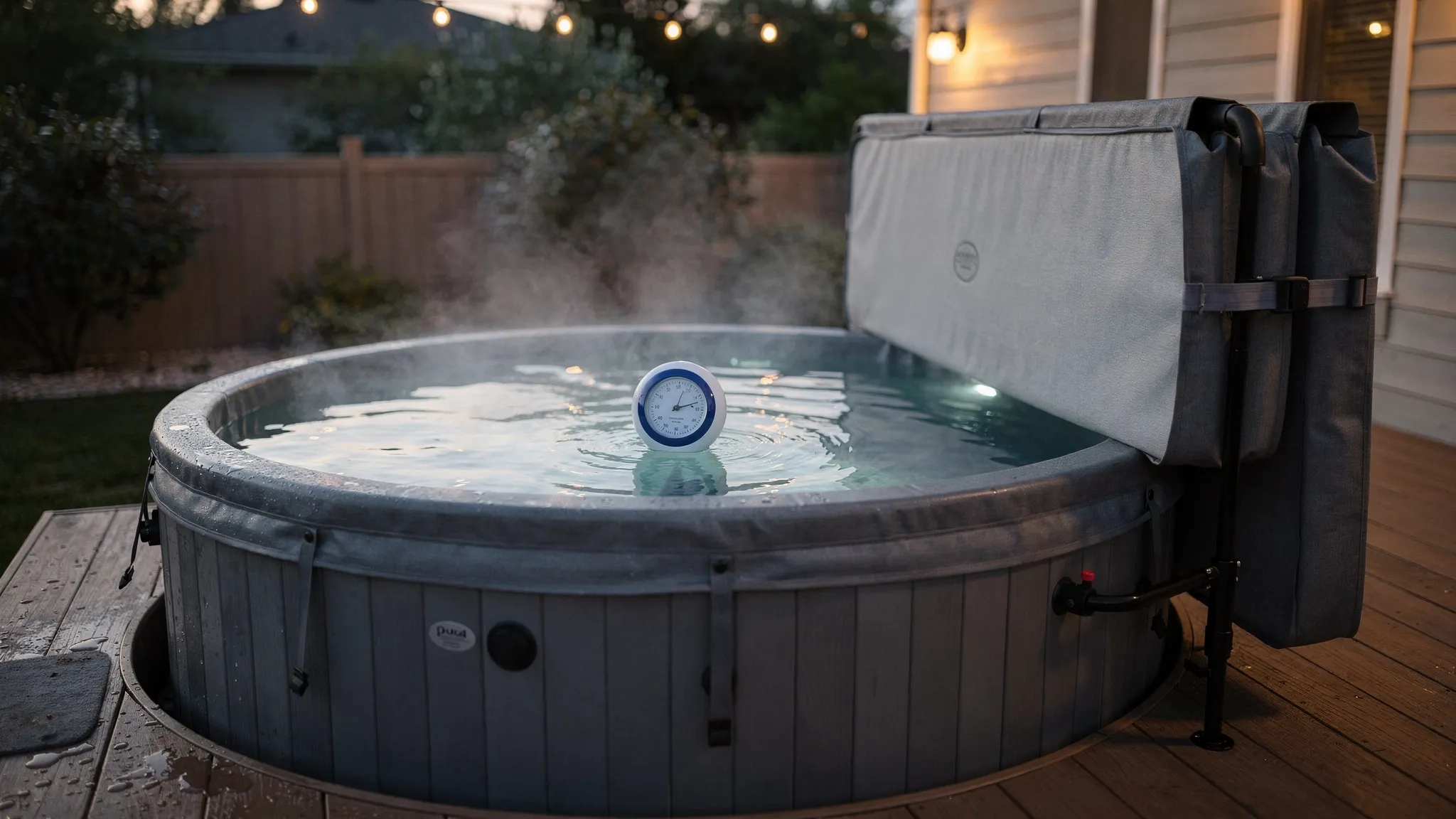
Temperature displays can also be off by a degree or two. If the water feels hotter than the control panel suggests, use a simple floating thermometer to verify it. This is especially important if children or heat-sensitive guests use the tub.
How hot tub temperature affects your electric bill
Hot tubs lose heat mostly through the cover, water surface, cabinet, plumbing, and air gaps. The hotter the water is compared with the outdoor air, the harder the tub works to maintain temperature.
A small temperature change will not cut your bill in half, but it can matter over a month, especially in cold weather. For example, when outdoor air is 40°F, a tub set to 104°F has a 64-degree temperature difference. At 100°F, that difference is 60 degrees. That is roughly a 6% reduction in the temperature gap driving standby heat loss, before considering cover quality, wind, and usage habits.
The cost to reheat water is easier to estimate. One gallon of water takes about 8.34 BTU to rise 1°F. For a 300-gallon hot tub, raising the water by 1°F takes about 2,500 BTU, or roughly 0.7 kWh before real-world losses. At $0.15 to $0.20 per kWh, each degree of reheating may only cost around 10 to 20 cents in electricity for the water itself. The bigger cost is usually keeping the tub hot 24/7, especially with a weak cover or poor insulation.
| Temperature choice | Cost impact | Practical takeaway |
|---|---|---|
| 104°F all the time | Highest normal operating cost | Fine for occasional short soaks, expensive as a default |
| 102°F daily | Moderate-high | Comfortable for winter, still below max |
| 100°F daily | Moderate | Best default for many value-focused owners |
| 98°F daily | Lower | Good for mild weather and longer sessions |
| Big daily temperature drops | Mixed | Can save money if the tub reheats efficiently, but may frustrate 120V owners |
For a more accurate estimate, use the Hot Tub Value Guide hot tub monthly running cost calculator. Your electricity rate, climate, cover R-value, tub size, and voltage matter more than any single rule of thumb.
Best temperature settings by season and use pattern
If you use your hot tub every night, do not overcomplicate the schedule. A steady 100°F to 102°F is usually easier and may be more efficient than dropping the water far below soaking temperature every day, then reheating it before each use.
If you only soak on weekends, lowering the setpoint during the week can make sense, especially with a 240V tub that reheats quickly. With a 120V plug-and-play tub, aggressive setbacks can backfire because recovery is slow.
| Situation | Recommended setting strategy | Watch-outs |
|---|---|---|
| Daily use | Hold 100°F to 102°F | Use a good cover and keep it latched |
| 2 to 3 uses per week | Drop 2°F to 5°F between uses | Reheat early enough before soaking |
| Weekend-only use | Use economy mode or lower setpoint midweek | 120V tubs may need many hours to recover |
| Summer heat | Try 95°F to 99°F | Keep sanitizer balanced even at lower temps |
| Cold winter | Hold 100°F to 103°F | Avoid shutting power off in freezing weather |
| Vacation under one week | Lower setpoint or use vacation mode | Maintain circulation and freeze protection |
| Long absence | Follow the owner’s manual or winterize properly | Do not simply unplug a filled tub in freezing conditions |
In freezing climates, temperature settings are also about equipment protection. Never turn off a filled hot tub during freezing weather unless it has been properly winterized. Freeze damage can crack plumbing and is often excluded from warranties.
120V vs 240V: temperature recovery changes the answer
A 120V plug-and-play hot tub can be a smart value buy, but buyers need realistic expectations. Many 120V tubs heat slowly, often around 1°F to 2°F per hour in mild conditions, and slower in cold weather. Some also cannot run the heater and high-speed jets at the same time. That means a 120V tub set to 98°F may take a long time to get back to 102°F.
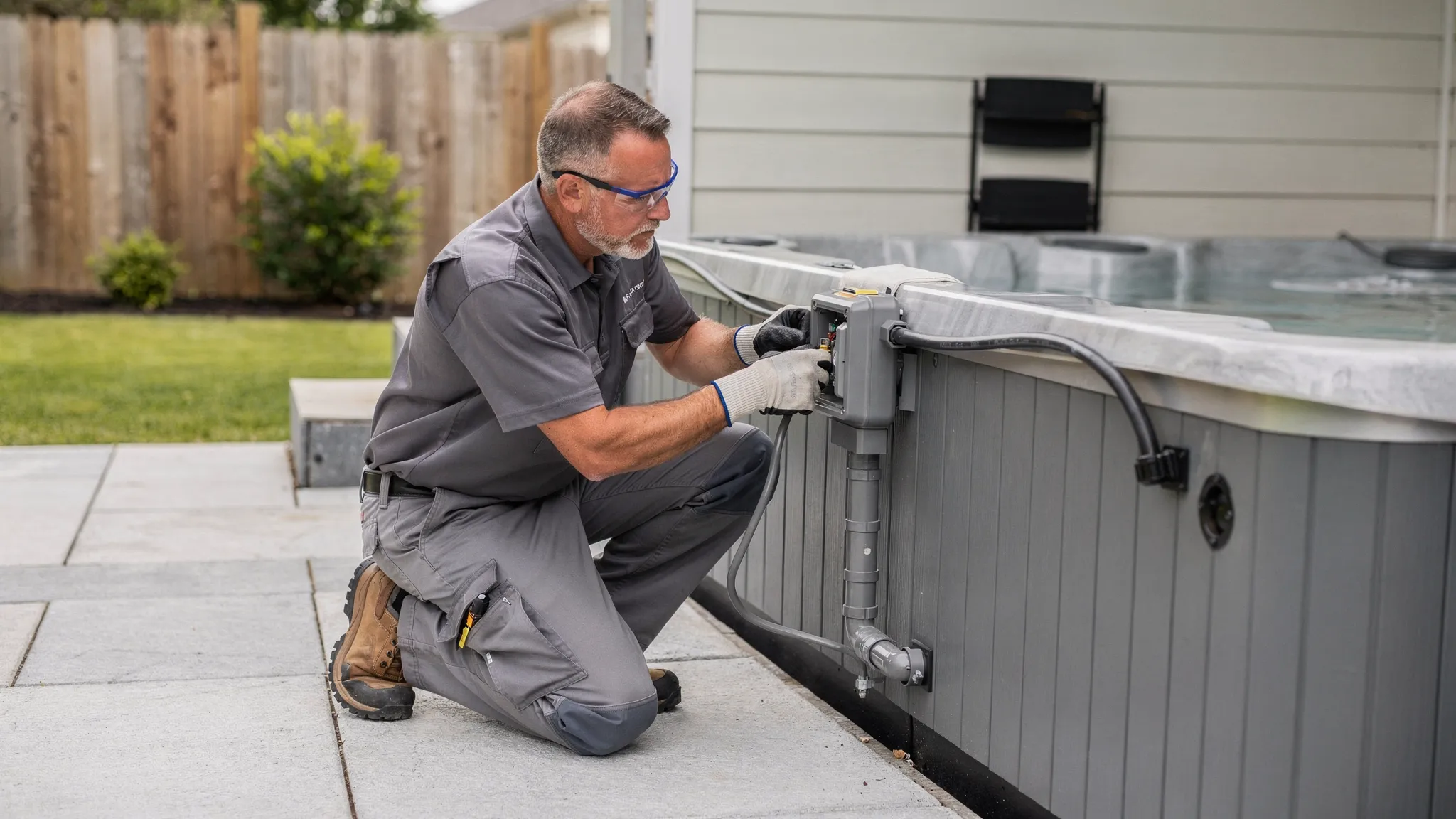
A 240V hardwired tub typically has a stronger heater and faster recovery. It is better suited for families, frequent winter use, and owners who want to run jets while maintaining temperature. The trade-off is higher setup cost because a licensed electrician usually needs to install a dedicated circuit according to the manufacturer’s requirements and local code.
For a deeper setup comparison, see our 120V vs 240V hot tub guide.
| Tub type | Typical purchase price | Typical setup and electrical cost | Temperature reality | When to skip |
|---|---|---|---|---|
| 120V plug-and-play hard-shell | $2,000 to $6,000 | Often low if a suitable GFCI-protected outlet already exists; new electrical work can add cost | Best if kept near soaking temp because recovery is slow | Skip if you expect fast winter recovery or long jet sessions at 102°F to 104°F |
| Convertible 120V/240V | $4,000 to $9,000 | Starts simpler, but 240V conversion requires a licensed electrician | Flexible if you may upgrade later | Skip if conversion parts or warranty terms are unclear |
| 240V hardwired portable tub | $6,000 to $15,000+ | Commonly $400 to $2,000+ for electrical work, more if panel upgrades or trenching are needed | Best recovery and cold-weather performance | Skip if install cost breaks the budget |
| Premium dealer tub | $10,000 to $20,000+ | Electrical, pad, delivery, and accessories can add thousands | Strongest comfort and recovery, but not automatically best value | Skip if the dealer will not provide clear warranty and service terms |
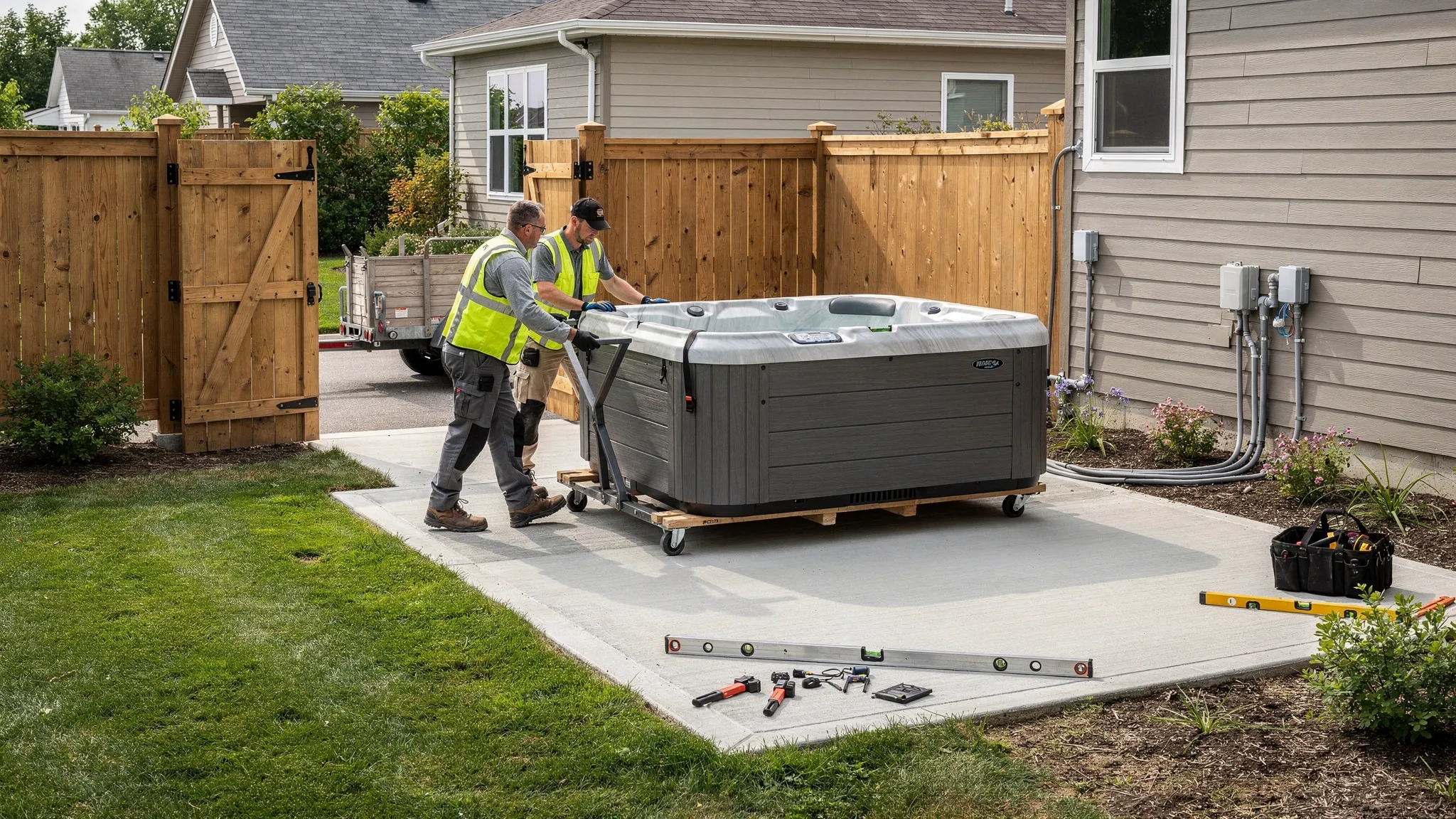
Prices vary by region, dealer, delivery access, electrical panel condition, and whether you already have a level pad. Before buying, price the tub and the setup together. A “cheap” tub can become expensive if it needs a new pad, crane delivery, electrical upgrades, or a replacement cover soon after purchase.
Temperature and maintenance costs
Higher water temperature usually increases maintenance demand. Hotter water can accelerate sanitizer loss, increase evaporation, and make water balance less forgiving. If you keep your tub at 103°F or 104°F and use it often, expect to test water more consistently than an owner who soaks at 100°F a few times per week.
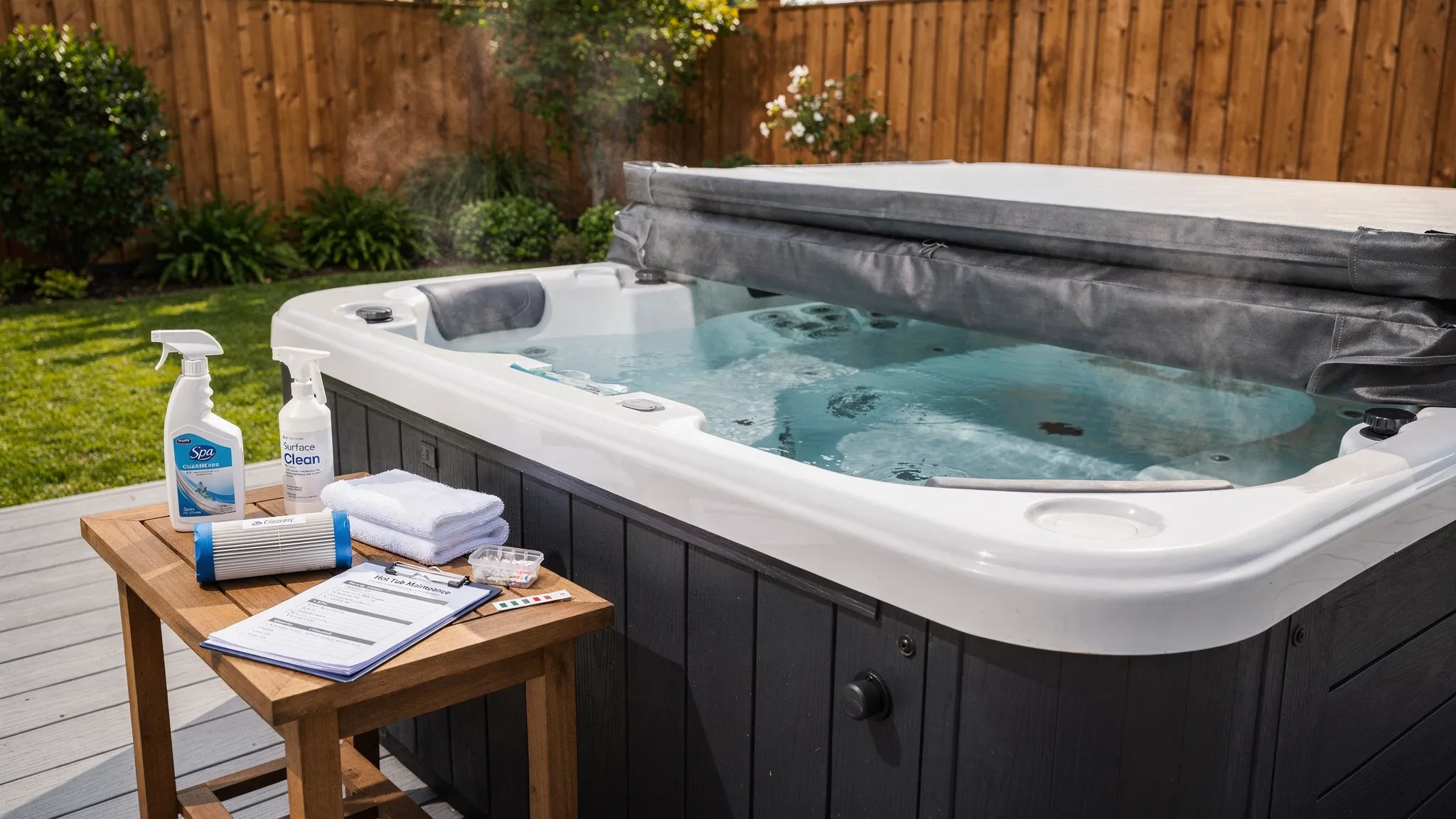
For most owners, the recurring non-electric costs include sanitizer, pH adjusters, alkalinity products, filters, test strips or a liquid test kit, and occasional purge or drain-and-refill supplies. A practical planning range is often $20 to $50 per month for basic water care, with higher costs if your tub uses proprietary cartridges, mineral systems, salt components, or specialty filters.
Temperature also affects comfort after the soak. Hot water and sanitizer can leave some people feeling dry or tight. Rinsing after soaking, moisturizing, and avoiding hot tub use right after aggressive exfoliation or certain skin treatments can help. If you already schedule facials, peels, or other cosmetic services, ask your provider how to time hot tub use around your routine, or review professional skincare guidance from resources like Lumina Skin Sanctuary.
If you are new to water care, start with our hot tub maintenance for beginners guide. A well-maintained 100°F tub is better than a neglected 104°F tub every time.
Warranty and equipment risks to keep in mind
Temperature problems can point to equipment issues. If your hot tub cannot maintain 100°F to 102°F with the cover closed, do not immediately assume the setpoint is wrong. Common causes include a waterlogged cover, poor cover seal, clogged filter, blocked circulation, heater issue, failing temperature sensor, weak insulation, or air leaks around cabinet panels.
Warranty coverage varies by brand and model, but hot tub warranties commonly exclude damage from improper water chemistry, freezing, unauthorized electrical work, poor installation, or misuse. Running the tub within the manufacturer’s operating range, keeping water balanced, cleaning filters, and using qualified electrical installation are basic owner responsibilities.
If a dealer claims a hot tub is “cheap to run at 104°F all winter,” ask for specifics. What is the cover rating? What insulation method is used? What climate is that claim based on? What monthly kWh estimate are they using? Good dealers can explain the assumptions. Weak dealers hide behind vague energy promises.
Comfort tweaks that save energy without lowering the tub too much
Before dropping the temperature to a level you do not enjoy, fix the easy heat-loss problems first.
- Replace a heavy, sagging, or waterlogged cover.
- Keep the cover fully latched when the tub is not in use.
- Use a floating thermal blanket if your climate is cold or windy.
- Block wind with fencing, landscaping, or a privacy screen.
- Clean filters so circulation and heating work efficiently.
- Avoid leaving the cover open while you stage towels, drinks, or speakers.
- Use economy settings carefully, especially on 120V tubs.
The cover is often the best energy upgrade. A $300 to $600 replacement cover can sometimes do more for real-world energy use than lowering the setpoint a couple of degrees, especially if the old cover is saturated or warped.
When to use 104°F, and when to skip it
Use 104°F only when you want a short, very hot soak and you know everyone using the tub tolerates heat well. Do not use 104°F as the default for kids, longer social sessions, alcohol-centered gatherings, or guests who may not recognize overheating signs quickly.
Skip hotter settings if you feel lightheaded, flushed, nauseated, unusually tired, or uncomfortable. Get out, cool down, and do not re-enter until you feel normal. Heat tolerance varies widely, and the “best” temperature is the one that keeps the soak enjoyable and controlled.
You should also skip a 120V plug-and-play model if your main goal is holding 102°F to 104°F through long winter jet sessions with several people in the tub. In that scenario, a well-insulated 240V model is usually the better fit, even after higher electrical setup costs. If cold-weather performance is a priority, compare models in our best hot tubs for cold weather guide.
Frequently Asked Questions
What is the best hot tub temperature for most people? The best default range is 100°F to 102°F. It feels warm enough for most adults while avoiding the higher energy use and shorter soak times that often come with 103°F to 104°F.
Is 104°F safe for a hot tub? 104°F is generally treated as the maximum hot tub temperature, not an everyday target. Keep sessions short at that temperature, avoid alcohol, supervise children, and ask a clinician before using high heat if you are pregnant or have health concerns.
Does lowering my hot tub from 104°F to 100°F save money? Usually yes, but the savings depend on climate, cover quality, insulation, and use pattern. The reduction is meaningful over time, especially in cold weather, but a poor cover can erase much of the benefit.
Should I turn my hot tub down when I am not using it? If you use it daily, a steady 100°F to 102°F is often simplest. If you use it only on weekends, lowering the setpoint can save energy, especially with a 240V tub. Do not turn off a filled tub in freezing weather unless it is properly winterized.
What temperature should I set a hot tub in winter? Most owners are happy at 101°F to 103°F in winter. If your tub struggles to maintain that range, check the cover, filters, wind exposure, insulation, and heater performance before assuming you need a hotter setting.
What temperature should I set a hot tub in summer? Try 95°F to 99°F in summer. Many owners use the tub more often when it feels like a warm plunge instead of a hot soak. Keep testing sanitizer and pH even when the water is cooler.
Can temperature affect hot tub chemicals? Yes. Hotter water can increase sanitizer demand and evaporation. If you keep the tub at 103°F or 104°F, test more consistently and expect slightly higher chemical use than a cooler, lightly used tub.
Next step: set your temperature based on total cost, not guesswork
Start at 100°F for a week. If it feels too mild, move up to 101°F or 102°F. If it feels too hot or your electric bill is climbing, try 98°F to 100°F and focus on cover quality, wind protection, and maintenance.
Before buying or upgrading, compare the tub’s purchase price, electrical setup, expected energy use, maintenance costs, and warranty support together. Use the Hot Tub Value Guide running cost calculator to estimate your real monthly cost, then compare models using the same assumptions instead of relying on dealer claims.