
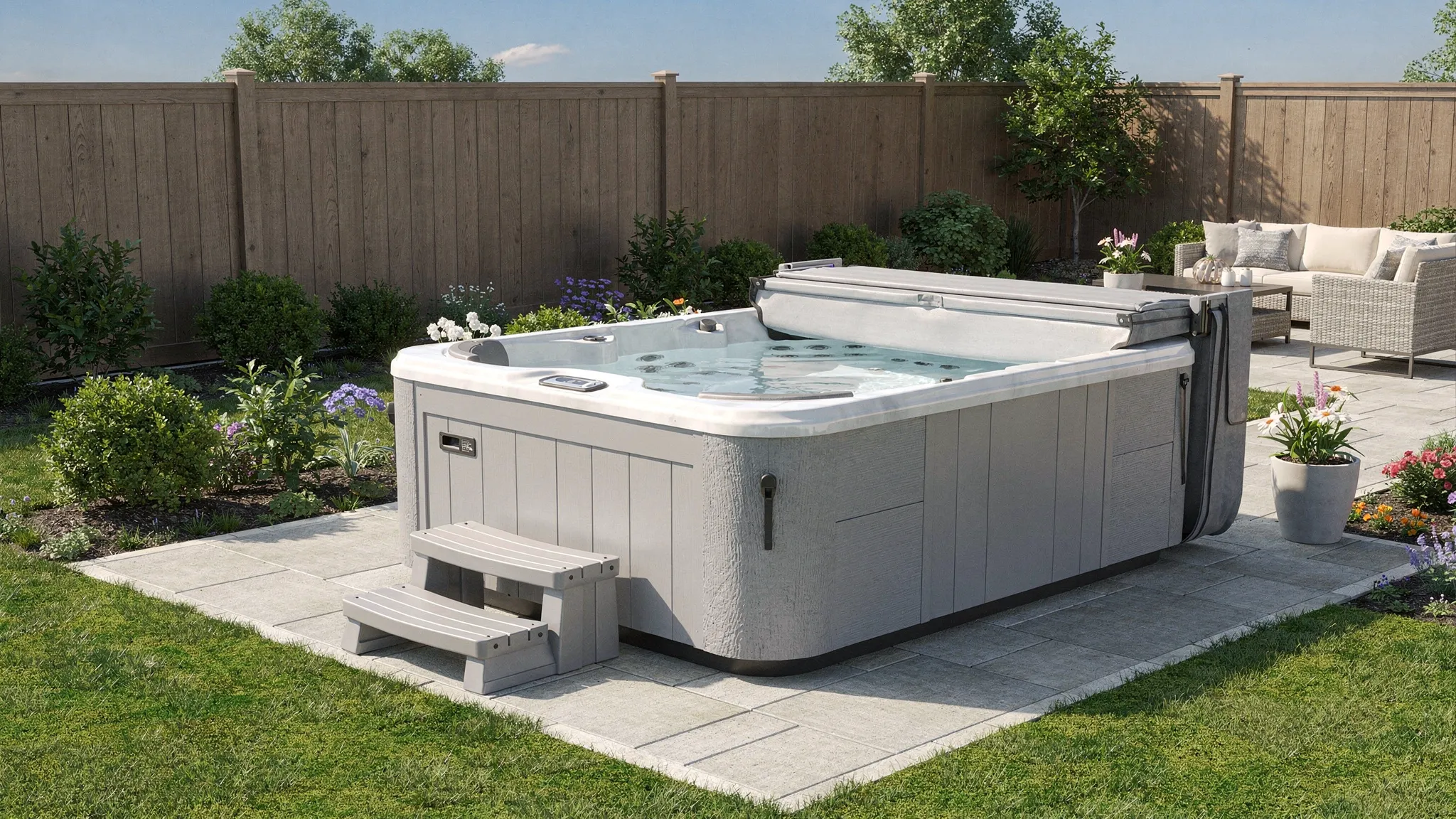
Hot Tub Price and Installation Costs Explained
Quick answer: most U.S. buyers should budget $3,500 to $8,500 installed for a hard-shell 120V plug-and-play hot tub, $9,000 to $20,000 installed for a good family-size 240V hot tub, and $18,000 to $30,000+ installed for premium dealer models with upgraded cabinets, controls, jets, covers, and warranty support. The hot tub itself is usually the biggest line item, but the surprise costs are often electrical work, site prep, delivery access, accessories, energy use, and service after the sale.
If you are comparing hot tub price and installation quotes, do not compare the tub price alone. Compare the total first-year cost and the 10-year ownership cost.
Hot tub price ranges in 2026
Hot tub pricing varies by brand, dealer margin, region, size, insulation, pumps, warranty, and whether the model is sold online, through big-box retail, or through a dealer network. Still, most buyers can use these ranges as a practical starting point.
| Hot tub type | Typical tub price before installation | Best fit | Main tradeoff |
|---|---|---|---|
| Inflatable hot tub | $400 to $1,200 | Temporary use, renters, mild climates | Shorter lifespan, weaker insulation, less durable structure |
| Entry hard-shell 120V plug-and-play | $2,500 to $5,000 | Budget buyers, small patios, simple setup | Slower heating and lighter jet performance |
| Better 120V or convertible hard-shell tub | $4,000 to $8,000 | Value shoppers who want easier setup | May still struggle in cold weather if run on 120V |
| Midrange 240V family hot tub | $7,000 to $13,000 | Families, colder climates, regular use | Higher electrical and site-prep costs |
| Premium 240V hot tub | $13,000 to $22,000 | Long-term owners, stronger jets, better finish | Dealer pricing can be harder to compare |
| Luxury or oversized hot tub | $22,000 to $35,000+ | Large households, premium therapy seats, high-end controls | Highest purchase price and repair exposure |
A lower purchase price can still be a poor value if the cover is weak, insulation is thin, warranty support is limited, or the tub costs much more to run. This is why Hot Tub Value Guide scores tubs on more than price, including setup, energy, durability, comfort, jets, maintenance, and warranty.
The five costs buyers forget to include
The real installed cost of a hot tub usually includes five categories beyond the advertised price.
| Cost category | Typical range | Notes |
|---|---|---|
| Delivery and placement | $0 to $1,500+ | Curbside delivery may be included, backyard placement may cost extra |
| Site prep or base | $300 to $3,000+ | More if you need concrete, drainage work, or deck reinforcement |
| Electrical work | $300 to $900 for some 120V setups, $900 to $3,000+ for many 240V setups | Longer runs, permits, panel capacity, and trenching increase cost |
| Accessories and startup supplies | $250 to $1,000 | Cover lifter, steps, chemicals, filters, test kit, hose filter, spa vacuum |
| First-year energy and maintenance | $600 to $2,000+ | Depends on climate, insulation, cover quality, electricity rate, and usage |
A $5,000 plug-and-play hot tub can become a $6,500 to $8,000 project once you add a proper base, outlet improvements, delivery, accessories, sales tax, and startup supplies. A $12,000 dealer hot tub can easily become a $15,000 to $18,000 project after electrical, pad, permit, cover lifter, steps, delivery, and tax.
Installation costs by setup type
120V plug-and-play installation costs
A 120V plug-and-play hot tub is the cheapest installation path because it can run from a standard household voltage. That does not mean every outdoor outlet is acceptable.
Many 120V tubs require a dedicated GFCI-protected circuit, and manufacturers commonly warn against extension cords. If your patio already has the right circuit in the right location, your electrical cost may be minimal. If not, expect to pay for an electrician to evaluate the circuit and install the proper outlet or protection.
Typical 120V setup costs:
| Item | Typical cost |
|---|---|
| Existing suitable dedicated outlet | $0 to $150 for inspection or minor verification |
| New or upgraded outdoor GFCI-protected outlet | $300 to $900+ |
| Simple spa pad or compact base | $300 to $900 |
| Delivery placement | $0 to $600 |
| Startup accessories | $250 to $700 |
The benefit is lower upfront cost. The tradeoff is performance. Many 120V tubs heat slowly, often around 1 to 2 degrees per hour depending on the model and weather, and some cannot run the heater and high-speed jets at the same time. If you use the tub in a cold climate, that tradeoff matters.
For a deeper comparison, see our guide to 120V vs 240V hot tubs.
240V hardwired installation costs
A 240V hot tub generally costs more to install but delivers better heating recovery, stronger pump configurations, and better cold-weather usability. Most full-size family tubs and premium models are 240V.
Typical 240V electrical work often includes a dedicated circuit, GFCI protection, an outdoor disconnect, conduit, wiring, permit work where required, and final connection. Actual requirements depend on your tub, home, panel capacity, local code, and site layout.
Typical 240V setup costs:
| Item | Typical cost |
|---|---|
| Licensed electrician for standard 240V spa circuit | $900 to $3,000 |
| Long electrical run, trenching, or difficult routing | $2,000 to $5,000+ |
| Panel upgrade if required | $2,000 to $6,000+ |
| Permit and inspection fees | $50 to $300+ |
| Concrete pad or reinforced base | $900 to $2,500+ |
| Delivery, stairs, tight access, or equipment | $300 to $1,500+ |
Do not DIY spa wiring unless you are legally qualified and permitted to do so. Hot tubs combine electricity and water, and the safety requirements are specific. The National Electrical Code includes rules for pools, spas, and hot tubs, and your electrician should follow current local code.
Site prep: the base matters more than buyers think
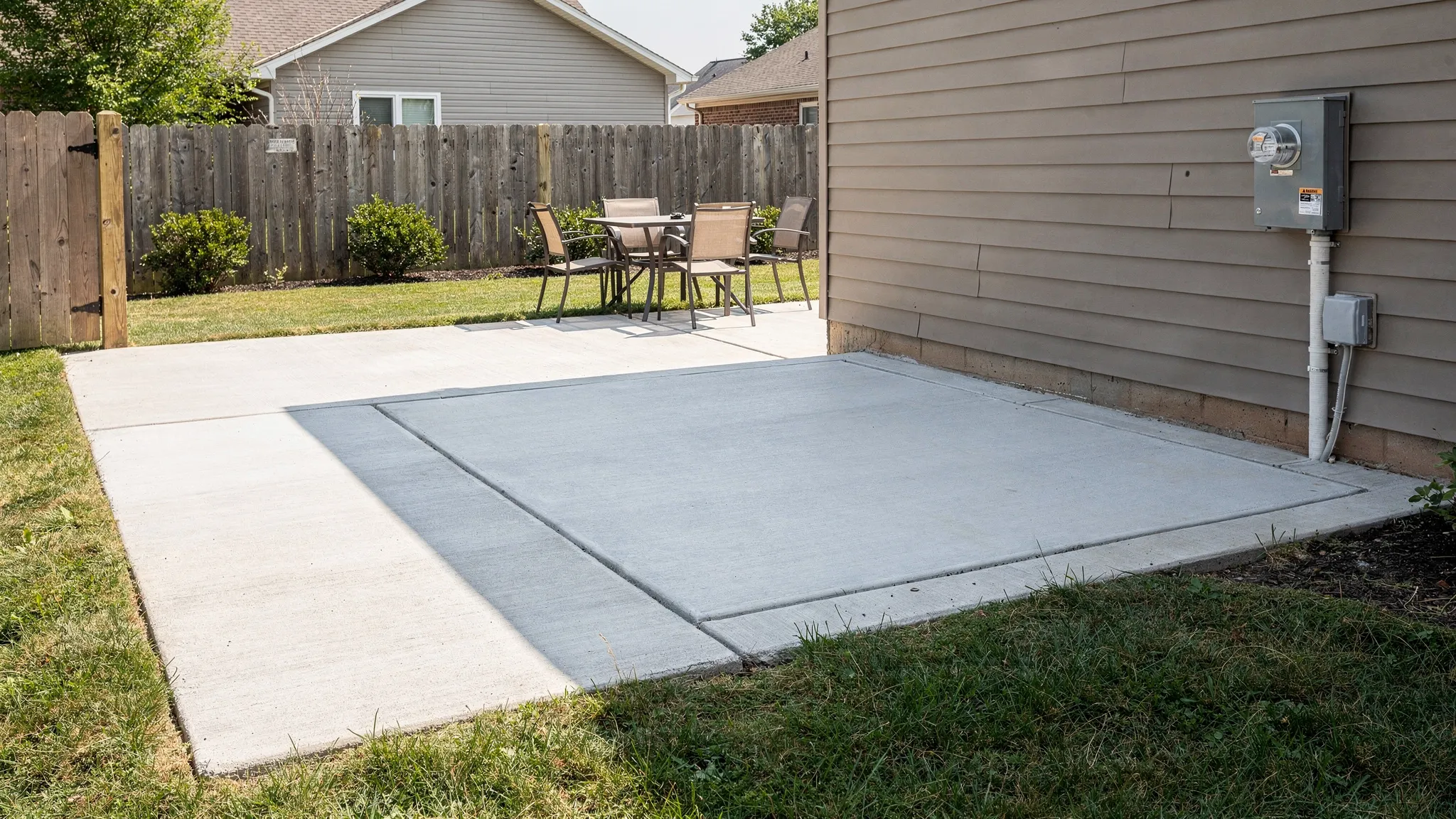
A filled hot tub is heavy. A mid-size tub can weigh several thousand pounds once filled with water and people. The base must be flat, level, stable, and able to handle the load without shifting.
Common base options include:
- Concrete slab: Usually the most durable option, often $900 to $2,500+ depending on size, thickness, prep, and local labor.
- Prefabricated spa pad: Often $300 to $900, but only if the ground underneath is properly prepared and compacted.
- Pavers or compacted gravel base: Can work for some tubs, but drainage, leveling, and manufacturer approval matter.
- Deck installation: Potentially expensive because the deck may need an engineer or contractor load capacity.
Deck installations deserve extra caution. A deck that feels solid for people may not be designed for a filled spa. If a contractor or engineer says reinforcement is needed, the added cost can range from a few thousand dollars to much more.
Delivery and placement costs
Delivery language can be misleading. “Free delivery” may mean curbside freight delivery, not final placement in your backyard.
Before you buy, ask exactly where the carrier will leave the tub. Then measure the path from the delivery point to the final location. Gates, slopes, stairs, tight corners, retaining walls, gravel paths, and overhead obstructions can all add cost.
Typical delivery costs:
| Delivery situation | Typical cost |
|---|---|
| Curbside freight delivery included | $0 |
| Basic backyard placement | $200 to $600 |
| Difficult access or stairs | $500 to $1,000+ |
| Crane delivery | $500 to $2,000+ |
| Old hot tub removal | $300 to $1,000+ |
If your quote includes delivery, confirm whether it includes placement, packaging removal, old tub removal, and damage responsibility during the move.
Example installed budgets
These are not quotes. They are realistic planning examples to help you compare total cost.
| Scenario | Tub price | Installation and setup | Estimated total before tax |
|---|---|---|---|
| Budget 120V plug-and-play | $3,800 | $1,200 | $5,000 |
| Better 120V or convertible model | $6,000 | $1,700 | $7,700 |
| Midrange 240V family tub | $10,500 | $3,200 | $13,700 |
| Premium 240V dealer tub | $16,500 | $5,000 | $21,500 |
| Luxury large tub with difficult access | $25,000 | $7,000+ | $32,000+ |
Sales tax, financing charges, and optional accessories can change these numbers quickly. If you finance the purchase, compare the monthly payment and the total amount paid over the loan term.
Monthly energy, chemicals, and maintenance
The purchase and installation bill is only the start. Hot tubs are heated outdoor water appliances, so ongoing cost matters.
Typical monthly energy cost ranges:
| Use case | Estimated electricity cost |
|---|---|
| Efficient small tub in mild weather | $20 to $50 per month |
| Average hard-shell tub with regular use | $50 to $100 per month |
| Large tub, cold climate, weak cover, heavy use | $100 to $200+ per month |
The biggest energy variables are climate, cover condition, insulation, wind exposure, water temperature, filtration schedule, and local electricity rate. To estimate your own number, use the Hot Tub Monthly Running Cost Calculator.
Maintenance also has a real cost. A typical owner should budget for sanitizer, pH and alkalinity products, test strips or a test kit, filters, water care accessories, and periodic drain-and-refill cycles.
| Maintenance item | Typical cost |
|---|---|
| Chemicals and test supplies | $15 to $40 per month |
| Replacement filters | $50 to $150+ per year |
| Filter cleaner, hose pre-filter, small tools | $40 to $150 per year |
| Replacement cover | $300 to $700+ every few years |
| Professional service call | $150 to $300+ before parts in many markets |
If you are new to water care, start with our hot tub maintenance for beginners guide before buying. The best time to understand the maintenance routine is before the tub is sitting full of water in your backyard.
Warranty costs and service realities
A long warranty is useful only if the coverage is clear and service is accessible. Read the warranty before you buy, not after the first leak or error code.
Pay attention to these warranty details:
- What is covered for the shell, surface, plumbing, equipment, cabinet, controls, and cover.
- Whether labor is included or only parts are covered.
- Whether trip charges, diagnostic fees, or freight are excluded.
- Whether the warranty starts at purchase, delivery, or installation.
- Whether online purchases require you to arrange your own service.
- Whether the dealer has in-house service or refers work to third parties.
Dealer-sold tubs may cost more upfront, but good dealer support can be valuable if the brand honors claims quickly and the dealer has trained technicians. Retail and online tubs can be strong values, but warranty support may rely more heavily on manufacturer service networks, shipped parts, or third-party technicians.
120V vs 240V: where the money actually goes
The cheapest setup is not always the cheapest ownership experience. A 120V tub can make sense if you want lower installation cost, have mild weather, use the tub casually, and are buying a smaller model.
A 240V tub usually makes more sense if you want a larger family tub, stronger jet performance, better heating recovery, or regular winter use. The added electrical cost can be frustrating upfront, but it may prevent buyer regret if you plan to soak often in cold weather.
A good rule of thumb: choose 120V when setup simplicity is the priority. Choose 240V when performance and year-round usability are the priority.
Dealer quotes: what to ask before you sign
Two hot tub quotes can look similar while including very different things. Ask for an itemized written quote and compare line by line.
Important quote questions:
- Is the price for the exact model, trim, cabinet color, shell color, and option package?
- Are steps, cover, cover lifter, filters, and startup chemicals included?
- Is delivery curbside, driveway, or final backyard placement?
- Are electrical work, permits, and disconnect included or excluded?
- Is a crane, stair fee, or difficult-access fee possible?
- What is the warranty on parts, labor, cabinet, shell, plumbing, and cover?
- Who performs warranty service, and what trip charges apply?
- What is the return, cancellation, or restocking policy?
- Are there freight, destination, documentation, or disposal fees?
One reason business consultancies such as DataOngoing focus on connected cost and operations data is that disconnected numbers hide the real picture. Apply the same idea to your hot tub purchase: put the tub, delivery, base, electrical, accessories, energy, maintenance, financing, and warranty assumptions in one sheet before comparing brands.
When to skip a hot tub, downsize, or wait
A hot tub can be worth it, but it is not a smart buy for every home or budget. Consider skipping, downsizing, or waiting if any of these apply.
- You cannot create a level, load-rated base without major unplanned construction.
- Your electrical panel needs an expensive upgrade and the project no longer fits your budget.
- You are relying on an extension cord or unsafe workaround for power.
- The dealer will not provide an itemized quote or written warranty terms.
- You live in a cold climate and are considering a thinly insulated budget tub for daily winter use.
- You do not want to test and adjust water chemistry weekly.
- You are stretching the purchase price so far that repairs, energy, and maintenance will become stressful.
- You have not measured delivery access and the tub may require crane placement.
It is better to buy a smaller, better-supported tub with a realistic installation plan than to buy a large feature-heavy model that strains the site, panel, and budget.
How to estimate your real hot tub cost before buying
Use this simple buyer-first approach before you visit a dealer or click checkout.
- Pick the use case first: Decide whether this is a casual soaking tub, small backyard tub, family tub, cold-weather tub, or premium hydrotherapy tub.
- Choose voltage intentionally: Compare 120V simplicity with 240V performance before falling in love with a model.
- Get electrical and base estimates early: Do this before signing, especially for 240V tubs, decks, older homes, and long wiring runs.
- Compare total installed cost: Include delivery, placement, pad, electrical, permit, accessories, tax, and financing.
- Estimate monthly operating cost: Use your electricity rate, climate, cover quality, and expected water temperature.
- Read the warranty like a contract: Confirm labor, trip charges, exclusions, service provider, and warranty start date.
If you are still narrowing models, start with our ranked guides to the best plug-and-play hot tubs and best 240V hot tubs. Those comparisons help separate low upfront prices from better long-term value.
Frequently Asked Questions
How much does a hot tub cost with installation? Most hard-shell 120V plug-and-play tubs cost about $3,500 to $8,500 installed. Many 240V family tubs cost about $9,000 to $20,000 installed. Premium and luxury setups can reach $18,000 to $30,000+ once electrical work, delivery, base, accessories, and tax are included.
How much does 240V hot tub wiring cost? A standard 240V hot tub electrical installation often costs $900 to $3,000, but long wire runs, trenching, difficult routing, permits, or panel upgrades can raise the total significantly. Always use a licensed electrician and follow local code.
Is a 120V hot tub cheaper to install? Usually, yes. A 120V tub can be much cheaper to install if you already have a suitable dedicated GFCI-protected outlet. If you need a new circuit or outlet, electrical costs may still run several hundred dollars or more.
What hidden costs should I expect when buying a hot tub? Common hidden costs include backyard placement, crane delivery, concrete or spa pad installation, electrical permits, cover lifter, steps, chemicals, filters, sales tax, higher electricity bills, water care supplies, and future service calls.
Is it worth paying more for a premium hot tub? It can be worth it if the tub has better insulation, stronger warranty support, reliable dealer service, comfortable seating, durable components, and lower ownership headaches. It is not worth it if the quote is vague, service is weak, or the premium price is mostly cosmetic.
Next step: price the whole project, not just the tub
Before you buy, build a full project budget with the tub price, delivery, base, electrical, accessories, energy, maintenance, and warranty assumptions. Then compare models on long-term value, not just showroom features.
Use Hot Tub Value Guide’s reviews, rankings, and calculators to estimate your real cost before signing a quote. A few minutes of math upfront can save you thousands in surprise installation costs, energy bills, and buyer regret later.


